At Achieve, we're committed to providing you with the most accurate, relevant and helpful financial information. While some of our content may include references to products or services we offer, our editorial integrity ensures that our experts’ opinions aren’t influenced by compensation.
Achieve Insights
CEO Corner: Corn fields to the C-suite: My dad's induction into the St. Marys Hall of Fame
Sep 30, 2026
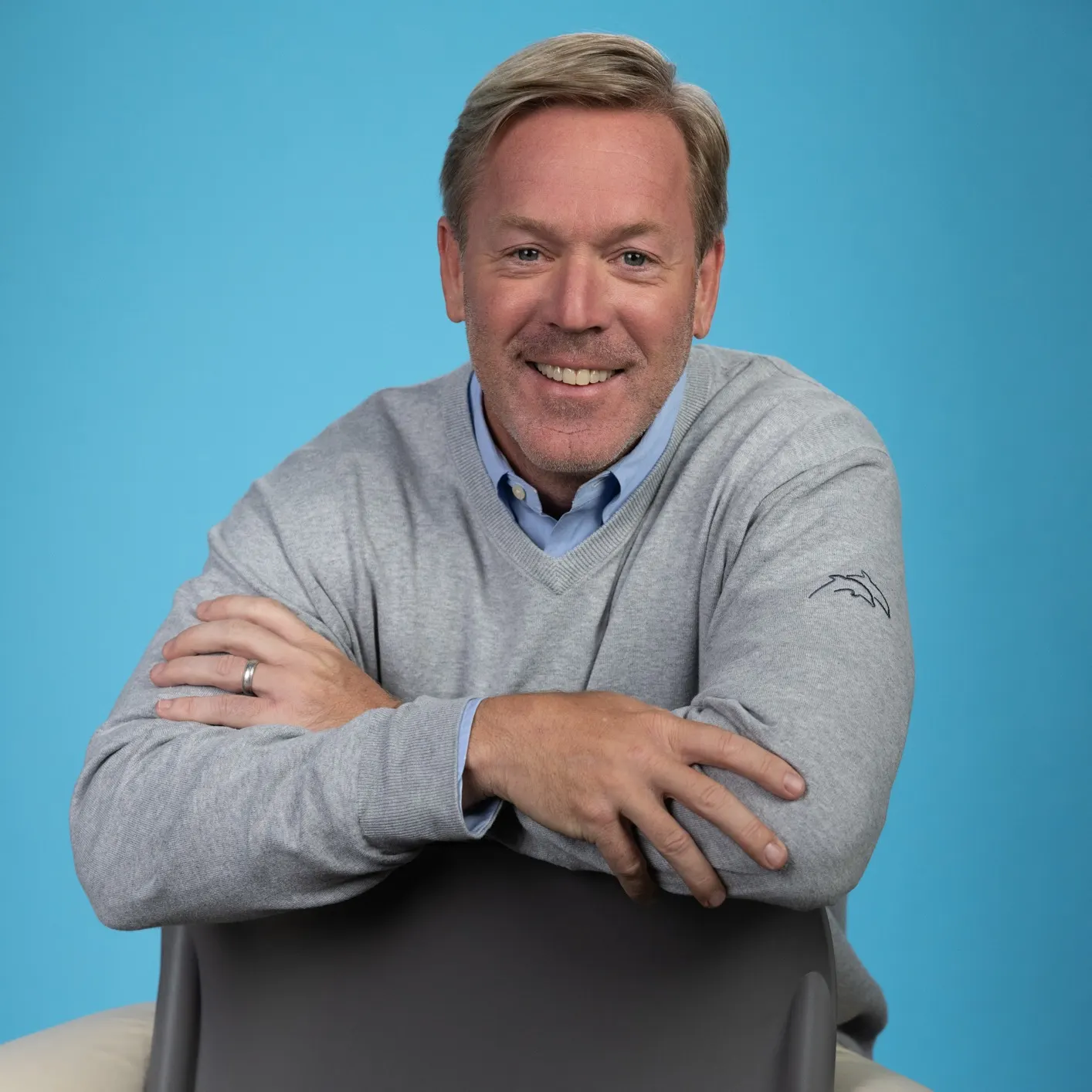
Written by
How small-town Midwestern values built a C-suite career—and a Hall of Fame legacy.
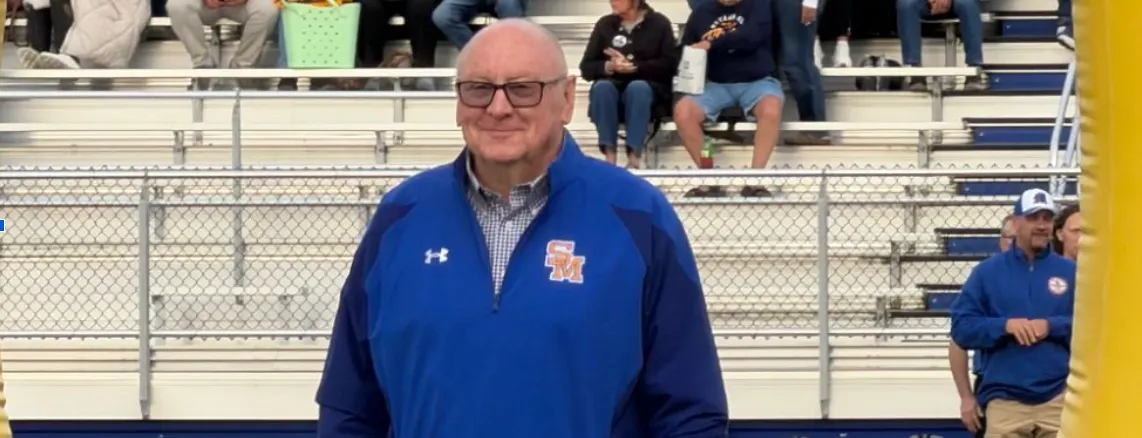
This past weekend was a meaningful one for me. My family, our friends, and my father's local community celebrated and honored my father on his induction into his high school's hall of fame for his success.
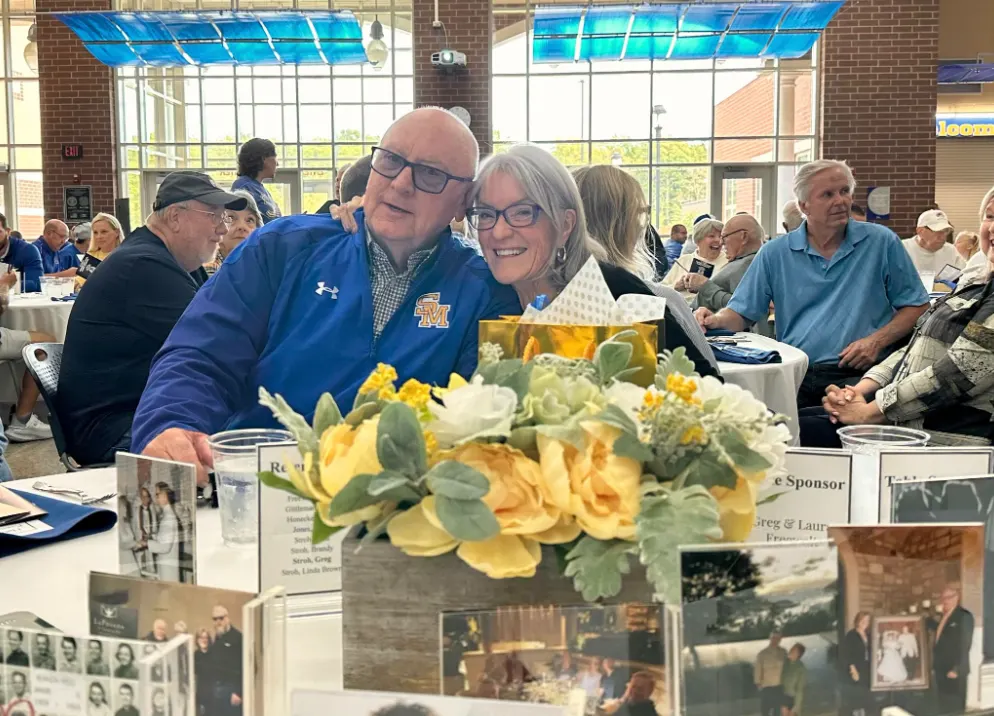
It's rare to get to toast someone you care about so much and to be surrounded by friends and family, and to do it in the place that shaped his own character and values.
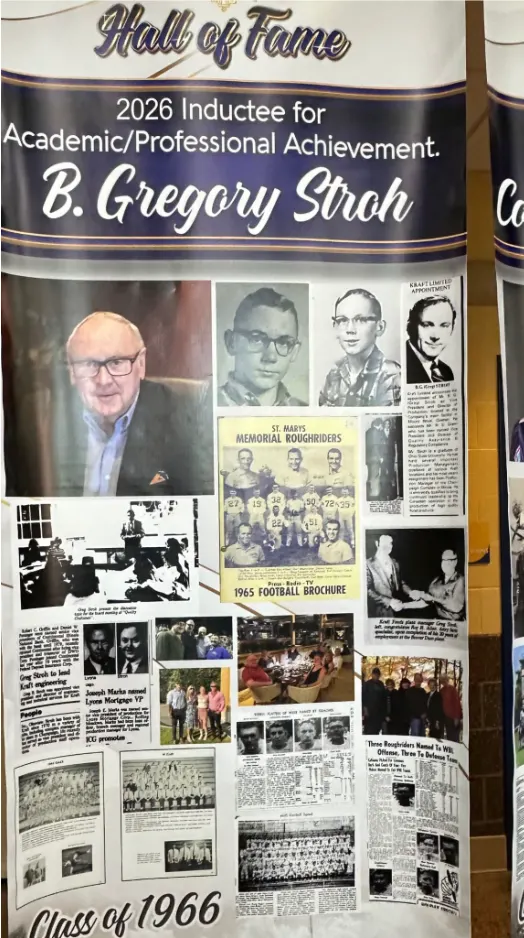
He came from very little (but from a supportive and remarkable community) to become hugely successful in business and in life. Hearing his stories, his friends’ stories and celebrating his life was inspiring and moving.
A little about my dad
My dad grew up in St. Marys, a small farm town in western Ohio. His parents grew up there too, and were married just after my grandfather returned from fighting on the Western Front in WWII.
St. Marys is the kind of town where it feels like everyone knows each other. They are mostly farmers, living a culture of hard work and Midwestern values. That town, and his family, probably left as big an imprint on my dad as anything else in his life. They were humble, hard-working people who went to church on Sundays, lived with integrity, and were intensely loyal. Everyone I met that weekend had a firm handshake and looked you in the eye. Even people I met for the first time felt like extended family in a way that was authentic and real.
My dad was the oldest of four kids, and he grew up farming from his earliest years. His family was loving and supportive, but they didn't have much, and he and his siblings all helped support the household from a young age. He sometimes lived on other family farms to help contribute. He built silos 70 feet into the air with no harness. He milked cows, raised chickens, and mostly farmed corn. St. Marys rolls out corn and bean fields as far as you can see.
My dad played football and was a star on a great team, at least according to Greg, Floyd, and his teammates, who laughed and told stories all night about their old games. The stories grew all night, but they laughed and teased each other and maybe misremembered everything except for how much they all loved each other. He was homecoming king, and my mom was a cheerleader and prom queen. They were that kind of a couple.
There were some fun toasts about getting into trouble and walking home for miles in front of a cop car he “mistakenly” hit with a milkshake, or the time he and his friends accidentally drove a car through the front window of an ice cream store. They had fun. They built deep friendships, and friends from more than six decades back came out to celebrate and share stories.
When he was in high school, his dad (my grandfather) bought a dress shop that my grandma ran for decades, along with a small hotel. He didn’t have a ton, but my grandparents were scrappy small-town entrepreneurs in their own right.
My grandpa was loving but tough, and my grandma was the same. Together they instilled in my dad a deep sense of self-belief. They preached humility and to help others succeed before chasing your own success. To lead. To never cut a corner. To make the world a better place. Self-confidence. Loyalty to family and friends above all else. Love the grind. Work hard and care for others.
My dad's career
His story, and my mom's, is the true American dream. He left St. Marys for Ohio State to play football for Woody Hayes (apparently academics were something you had to manage to stay on the team for four years) and graduated into a factory job at Kraft. He rose from a factory job through the ranks there until he was one of its most senior executives, through the sale to Philip Morris. He went on to serve as COO of two large publicly traded companies — Fort Howard, which merged with James River and then sold to Georgia-Pacific, and Pet Foods (Progresso Soup, Old El Paso Salsa) that sold to Pillsbury/Grand Metropolitan. He later became CEO of a private-equity-backed business. Through it all, his success came from hard work, integrity, first-principles thinking, and everything instilled in him back in St. Marys by his friends, his teammates and by his family.
This week's Ted Lasso episode had Ted writing his own dating profile and he had to close it with three words that defined him. Ted wrote: "I am lovable." My dad is more lovable than he knows. He's also loyal, hard-working, and loving. His success is now documented. But it was his integrity and how he actually lives his life, not the accolades, that was most meaningful for me to honor.
To come from nothing, but a foundation of love and trust and community, to huge professional success is worth celebrating. He’s lived the American dream. Nothing given, everything fought for and earned and to do it with humility and gratitude is the greatest role model I could dream of in a father.
I couldn't be more proud to celebrate him, and my mom, now both in the St. Marys Hall of Fame. Getting to tell him how proud I am of his accomplishments, his success, and the way he impacts everyone around him was one of the highlights of my own life. Be honest, work hard, compete hard, and put family first.
Congrats, Dad. Proud to celebrate you!
Author Information
Written by
Co-CEO and Co-Founder
Related Articles

Americans in their 20s and 30s are becoming seriously delinquent on their credit cards at a faster pace than before the pandemic and approaching levels not seen since the Great Recession.


On the surface, the premise of Buy Now, Pay Later is simple and appealing. But borrowers who can’t afford to repay their BNPL loans risk getting hit with late fees, falling behind on other financial obligations, damaging their credit and other challenges.

With financial volatility on the rise, it’s time to rethink how people use mobile apps to manage their money
Americans in their 20s and 30s are becoming seriously delinquent on their credit cards at a faster pace than before the pandemic and approaching levels not seen since the Great Recession.
On the surface, the premise of Buy Now, Pay Later is simple and appealing. But borrowers who can’t afford to repay their BNPL loans risk getting hit with late fees, falling behind on other financial obligations, damaging their credit and other challenges.
With financial volatility on the rise, it’s time to rethink how people use mobile apps to manage their money