
At Achieve, we're committed to providing you with the most accurate, relevant and helpful financial information. While some of our content may include references to products or services we offer, our editorial integrity ensures that our experts’ opinions aren’t influenced by compensation.
Achieve Insights
CEO Corner: The trust test every CEO should know about
Sep 21, 2026
Written by
What the people and brands we trust reveal about empathy, vulnerability, incentives, leadership and doing the right thing
Over the years, I have taught and guest lectured at Stanford, Amherst, Northwestern and UC Santa Cruz. No matter how many times I lead one particular exercise, I can almost guarantee I will hear the same name at least once.
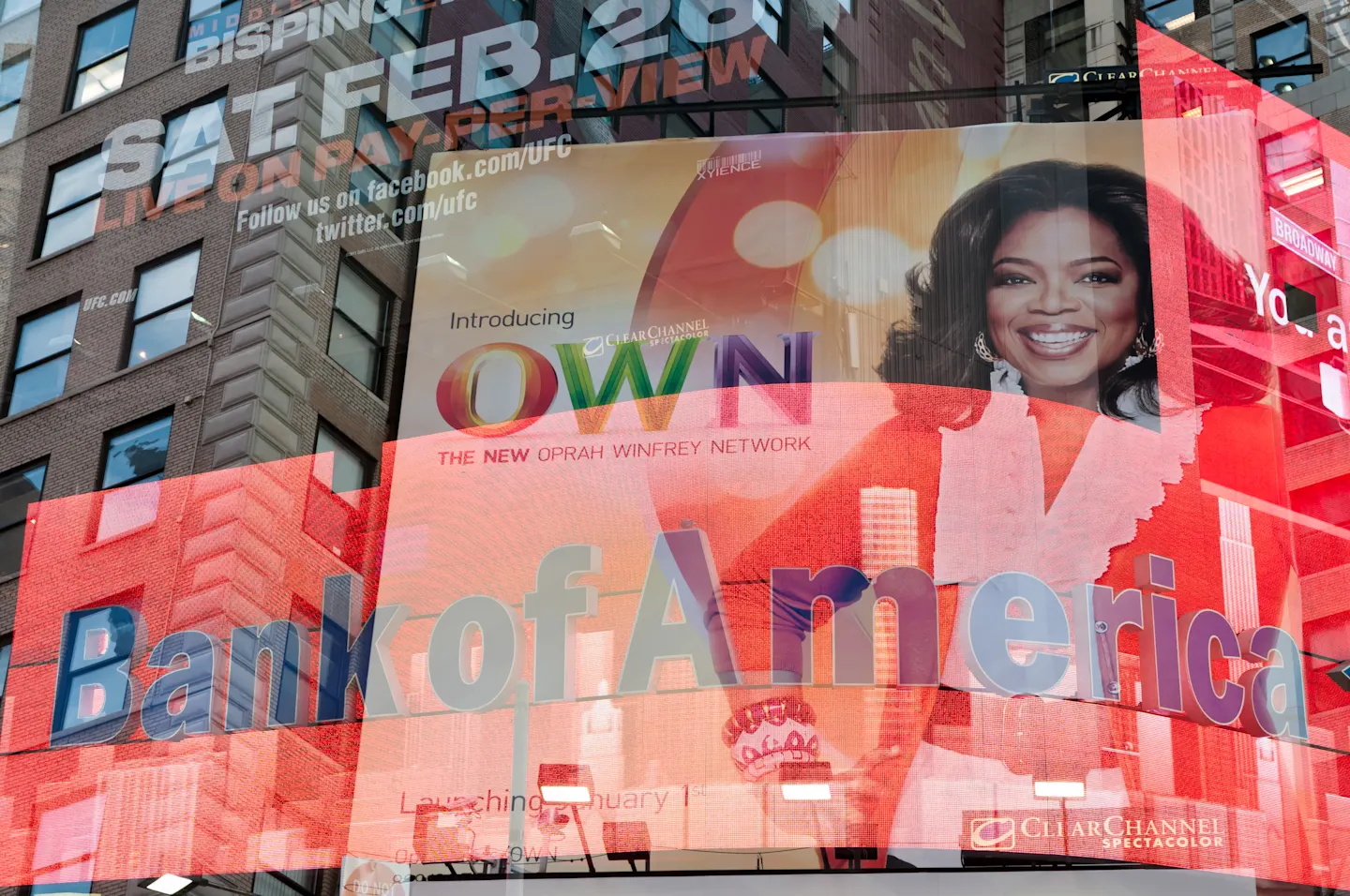
Oprah.
The exercise begins with two questions: Who is the most trusted person in the world? And what is the most trusted brand?
There is no definitive answer, but Oprah consistently emerges when I ask the first question.
It is not simply because she is successful or influential. Power does not automatically produce trust (in fact, there is frequently an inverse correlation). Students point to her empathy, openness, raw vulnerability (and her ability to cry openly for everyone to see) and ability to connect with others. They know her story. They know what she’s overcome. They have seen her show emotion. She is hugely accomplished but still feels human. She’s just trusted.
The qualities that build trust in a person are remarkably consistent: authenticity, transparency, empathy, honesty, vulnerability and relatability. We tend to trust people when we believe we understand who they are, including the experiences that shaped them. We trust people who we perceive as direct and honest. We trust people that are consistent and that we whom rely on.
Then I ask the same question about brands.
The answers vary widely. Dove, Patagonia, Newman’s Own and Dr. Bronner’s have all come up. Rarely will a financial services brand come up, but if it does it’s always USAA. It’s literally never Facebook (Meta) or the AI platforms. On the more trusted brands, people rarely choose them solely because they believe those companies make the best product (in fact, many of the most trusted brands have inferior products when comparing apples-to-apples). They talk about purpose, transparency, how they make money, charitable commitments, workplace culture and the way employees and customers are treated.
They are evaluating something deeper than a product. They are evaluating the character of the company. Values matter.
Trust is alignment made visible
A company can say it cares about its customers. Every single company has platitudes that are broad and imprecise around being “customer-centric” or obsessed or first. The adjective matters less than the fact that every company “says” it. The more important loop question is what happens when the customer’s best interest conflicts with the company’s immediate financial interest. What happens when something breaks? What happens when your values are challenged and there is a decision between the company and the customer?
That is when trust actually gets real.
Consumers pay attention to a company’s underlying incentives. They want to know whether the business benefits when they benefit or whether someone else wins at their expense. A company’s economics can say more about its values than any advertising campaign. Most customers (consumers or businesses) are inherently suspicious of companies selling them something.
Trust is not built through a single statement or act. It develops when a company’s purpose, incentives and behavior remain aligned over time.
There is also an important difference between trusting a person and trusting a company. Vulnerability can make an individual more relatable. We value leaders who admit mistakes and acknowledge that they do not have every answer.
But consumers often expect companies to be nearly infallible, particularly when the stakes are high. No one wants uncertainty from the company handling a mortgage, performing a medical procedure or helping manage a serious financial problem. Consumers don’t like when a company says it is struggling with something that affects them. Vulnerability and transparency can be differently perceived between leaders and a company.
What trust means at Achieve
Financial services begins with a trust deficit. Consumers often face confusing products, information asymmetry, inherent insecurity when shopping (AI is helping there a ton), complicated terms and an information imbalance between themselves and the company across the table.
At Achieve, we talk about the heart and the dollar. The dollar represents the financial realities: the debt, the payment, the household budget, the operating metrics and margins. The heart reminds us that there is a person behind every balance sheet, often carrying stress and uncertainty about what comes next. We have a teammate on our side and a family on the other. Both matter.
Serving both and balancing the “heart” side of the equation with the “dollar” side means doing more than offering a product. It means understanding each consumer’s circumstances and helping identify the right path.
That is why our multi-product model matters. A personal loan may be right for one person. A home equity line of credit or debt resolution path may make more sense for another. In some cases, the best path may not involve an Achieve product at all. That’s ok.
Our responsibility is to be honest about that.
Trust is easy to claim when everyone’s interests are aligned. The real test comes when doing what is right requires a company to put the consumer’s interest ahead of its own.
That is not a marketing strategy. It is how a trusted brand is built. That’s what Oprah would do.
Author Information
Written by
Co-CEO and Co-Founder
Related Articles

Americans in their 20s and 30s are becoming seriously delinquent on their credit cards at a faster pace than before the pandemic and approaching levels not seen since the Great Recession.

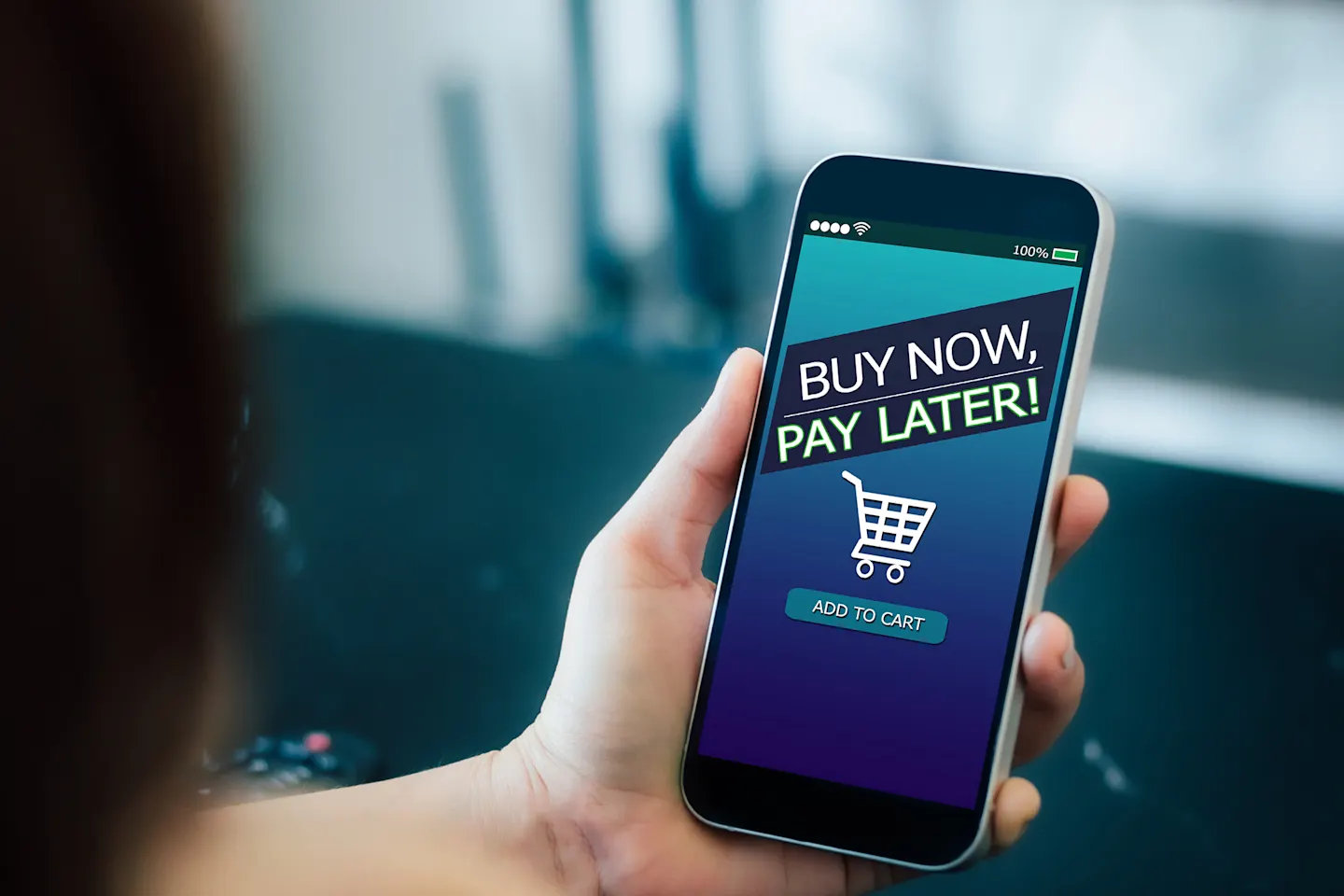
On the surface, the premise of Buy Now, Pay Later is simple and appealing. But borrowers who can’t afford to repay their BNPL loans risk getting hit with late fees, falling behind on other financial obligations, damaging their credit and other challenges.

With financial volatility on the rise, it’s time to rethink how people use mobile apps to manage their money
Americans in their 20s and 30s are becoming seriously delinquent on their credit cards at a faster pace than before the pandemic and approaching levels not seen since the Great Recession.
On the surface, the premise of Buy Now, Pay Later is simple and appealing. But borrowers who can’t afford to repay their BNPL loans risk getting hit with late fees, falling behind on other financial obligations, damaging their credit and other challenges.
With financial volatility on the rise, it’s time to rethink how people use mobile apps to manage their money