
At Achieve, we're committed to providing you with the most accurate, relevant and helpful financial information. While some of our content may include references to products or services we offer, our editorial integrity ensures that our experts’ opinions aren’t influenced by compensation.
Money Tips & Education
What to do after paying off debt: 5 next steps
Aug 14, 2026

Written by
Reviewed by
Key takeaways:
Paying off your debt gives you the freedom to save and invest for your future.
After paying off debt, make sure your emergency fund can cover three to six months of expenses.
The money you were spending on debt payments is now free for short-term goals, like saving for a new car, or long-term goals, like investing for retirement.
Older credit card accounts left open after payoff could help your credit score by aging your credit history.
Paying off your debt is a major milestone worth celebrating. Getting rid of your debt is huge. Knocking out loan balances and paying off credit cards means you can use your money to get closer to your other goals.
But how exactly should you use that money once you’ve become debt-free? We have four suggestions.
Achieve is not a Credit Repair Organization and does not provide, or offer, services or advice to repair, modify, or improve your credit.
1. Build your emergency fund
Life is full of uncertainties, and an emergency fund is a way to prepare for those surprises. If you lose your job or are hit with an unexpected medical bill, having savings set aside could help keep you afloat.
Financial advisors recommend saving enough to cover at least three to six months of expenses. The exact approach will vary, depending on your situation.
If you’re single and you have backup options, like the ability to move in with family if you get sick or injured, you might need less money set aside. Likewise, if you have a partner and you both earn a good income, you might be able to get by with a smaller emergency fund because each of you could rely on the other to keep bringing in money. If you’re in a one-earner household with kids, however, your fund may need more padding in case the breadwinner is unable to bring in money for a time.
The key question to ask is, “What would I do if you had zero money coming in for three to six months?”
Make a budget. Add up how much money you typically spend in a month, including housing costs and bills. A free budgeting app can help. Multiply that by three to see the minimum amount you should have for emergencies, and by six for the high end. Now that you’ve paid off your debt, you can use the income that was covering payments to boost that emergency fund.
A small starting goal can make this target feel more manageable. Once you reach it, keep contributing until you have the full three-to-six-month amount saved.
Keep your emergency cash where it’s easily accessible but also earns interest. A high-yield savings account, which tends to pay more interest than a traditional savings account, can be a good option. Not only will you be able to dip into the account immediately for an unexpected expense, you could also see your money grow over time.
Federal Reserve survey data shows just over half of U.S. adults have savings set aside to cover three months of expenses, so building this fund puts you ahead of many households.
2. Save for short-term goals
When you no longer have to pay off debt and you’ve got cash set aside for emergencies, you can focus on saving for short-term goals. The possibilities are nearly endless. Here are a few popular ideas:
New car
Down payment on a home
Home improvements
New appliances
Wedding
Exercise equipment
Bucket list vacation
Education or degree
A general rule of thumb is if you think you will want access to the money within five years, save it instead of investing. Investments can be volatile, and you don’t want to risk having to sell during a downturn. In other words, you don’t want to be in the position of needing to sell an investment at a time when its value is low.
Budget like a boss and set aside money to stash in a high-yield savings account for short-term goals. Money market accounts are great options too, since they have the flexibility of checking accounts with the interest rates of savings accounts. A Certificate of Deposit is a type of savings account that often earns a high interest rate if you’re willing to leave the money untouched for a period of time. CD terms typically range from one month to five years.
All of these account options are easy to open online.
3. Invest for the future
Paying off debt can make dreams of a comfortable retirement closer to reality. Do you want to travel, lounge on the beach, or spend more time with friends and family in your golden years? Whatever your answer, the key to reaching that goal is investing.
Over the past 20 years, the stock market has averaged an annual return of around 10%. Some years are higher, some years are lower. By setting aside some money each month for investing, you can build wealth over time. If you no longer need to make debt payments, you already have a bit of money to do that.
If you have an employer-sponsored retirement savings account like a 401(k), contribute at least enough to get an employer match if you’re offered one.
An employer match means your employer will contribute as much as you do, but only if you contribute. For instance, if you put in 2% of your salary, your employer will put in another 2%. The match is free money that goes into your retirement account to grow over time. You can contribute more, but the employer will likely cap the amount they will contribute.
An individual retirement account (IRA) is another way to save for retirement.
4. Manage your credit cards and credit score
Closing a credit card the moment you reach a zero balance might feel satisfying, but some people choose to keep their paid off accounts open.
The age of your accounts and the amount of credit available to you both factor into your credit score. Closing a card lowers your available credit, which could raise your overall utilization ratio. Depending on the age of the account, closure could also shorten your average account age. On the other hand, closing accounts could close the door on impulsive spending and a habit of carrying high-interest debt that you never intended to rack up.
If you keep accounts open, a good rule of thumb is to avoid carrying a credit card balance at all. Do your best to pay them off every month. If you can’t, focus on paying them off as soon as you can. Credit cards are one of the most expensive forms of financing, and when you carry a balance, all of your credit card purchases become a lot more expensive.
To maintain a positive payment history without high utilization or the risk of your account going dormant, use a card for a small recurring cost, like a streaming subscription. Then set up an automatic payment from your checking account for the full balance every month.
Don’t be afraid to close credit card accounts if you believe that’s better for your financial health. Your credit standing is important, but financial stability even more so. Credit cards, especially multiple accounts, are not a life requirement. Your peace and prosperity come first.
Check your credit score and credit report regularly to catch errors or fraud early.
5. Other ways to use the money you used to spend on debt payments
Besides retirement, you likely have other milestones you want to hit.
529 plan: a tax-advantaged way to save for a child’s future college tuition.
Health savings account (HSA): contribute pre-tax money up to a yearly limit, let it grow tax-free, and withdraw it tax-free for qualified medical expenses.
Taxable brokerage account: a good option for long-term goals that aren’t retirement-related.
Your future self will thank you.
What to do next with your money
Build your emergency fund, starting with a $500 goal if three to six months feels out of reach right now.
Set aside money for short-term goals in a high-yield savings account, money market account, or CD.
Contribute to retirement accounts, starting with any employer match you’re offered.
Explore a 529 plan, HSA, or brokerage account for goals outside retirement.
Author Information
Written by
Mallika Mitra is a writer and editor helping people make smart decisions with their money. Her work can also be found in CNBC, Bloomberg News, USA Today, CNN Underscored, The Wall Street Journal’s Buy Side, Business Insider, and more
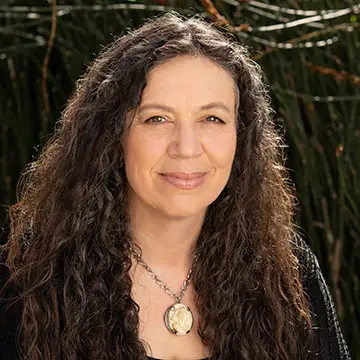
Reviewed by
Kimberly is Achieve’s senior editor. She is a financial counselor accredited by the Association for Financial Counseling & Planning Education®, and a mortgage expert for The Motley Fool. She owns and manages a 350-writer content agency.
Frequently asked questions about what to do after paying off debt
Debt payoff is a process, not an event. If you’re steadily paying down your credit card balances, your score is likely to improve gradually over time.
But let’s look at a hypothetical situation where you suddenly pay off your cards. Say you have three credit cards. Two are maxed out, and one has a balance that’s about half the limit. Any time you have one or more maxed out credit card accounts, your score could suffer. High balances are known to drag scores down.
If you were to receive a sudden windfall and pay off all of your credit cards in one swoop, your score could improve dramatically as soon as your zero balances hit your credit reports. Credit scores love it when you have credit cards but you’re not using them.
If you had missed payments or collections on your credit report, your credit could take longer to recover since those stay on your report for seven years. All credit data changes over time. Old late payments don’t cause as much damage as new ones. So over the course of those seven years, if you’re doing everything right you could see a steady climb.
Whether to close your credit cards depends on your plan to avoid credit card debt going forward. If you keep your cards open, you keep the available credit and account age, both of which could have a positive impact on your credit.
But sometimes an empty credit card is an invitation to spend. If that’s you, closing your cards could help you stay on strong financial footing.
Try to set aside enough money that you could live with no income at all for at least three months. Once you hit that level, consider increasing your cushion to six months’ savings. If another adult in your home could cover some costs while you can’t, you might be okay with a smaller fund. If you’re on your own and have to cover all costs, you might need more.
Related Articles

Some credit checks affect your score, but others don’t, even from the same lender. We’ll explain when and why credit checks can affect your credit.


Myth-busting: you don’t need to carry a credit card balance to have good credit! Learn how credit utilization affects credit scores.


Ready to take control of your money? Learn what a budget can do for you and how to make one.
Some credit checks affect your score, but others don’t, even from the same lender. We’ll explain when and why credit checks can affect your credit.
Myth-busting: you don’t need to carry a credit card balance to have good credit! Learn how credit utilization affects credit scores.
Ready to take control of your money? Learn what a budget can do for you and how to make one.